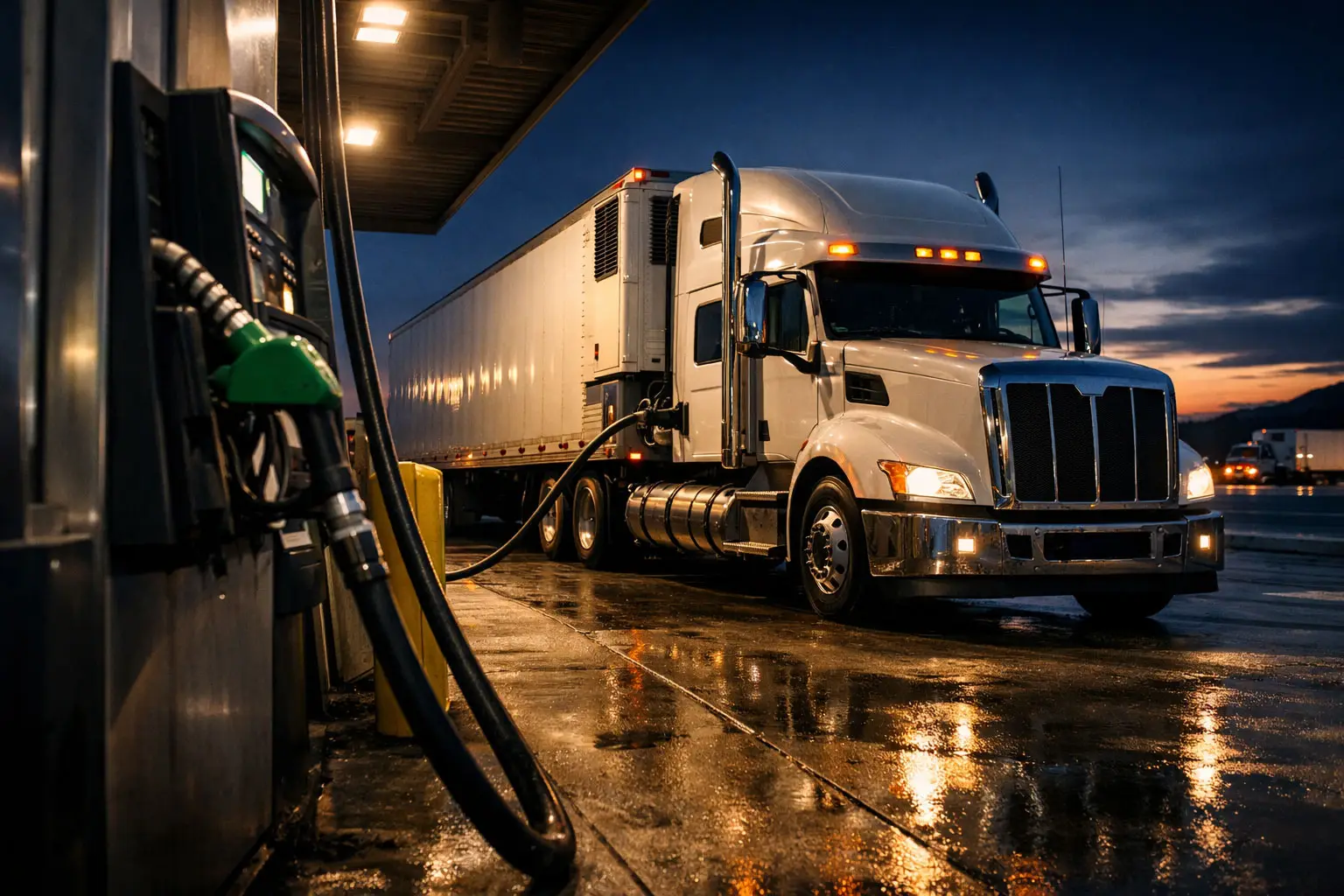
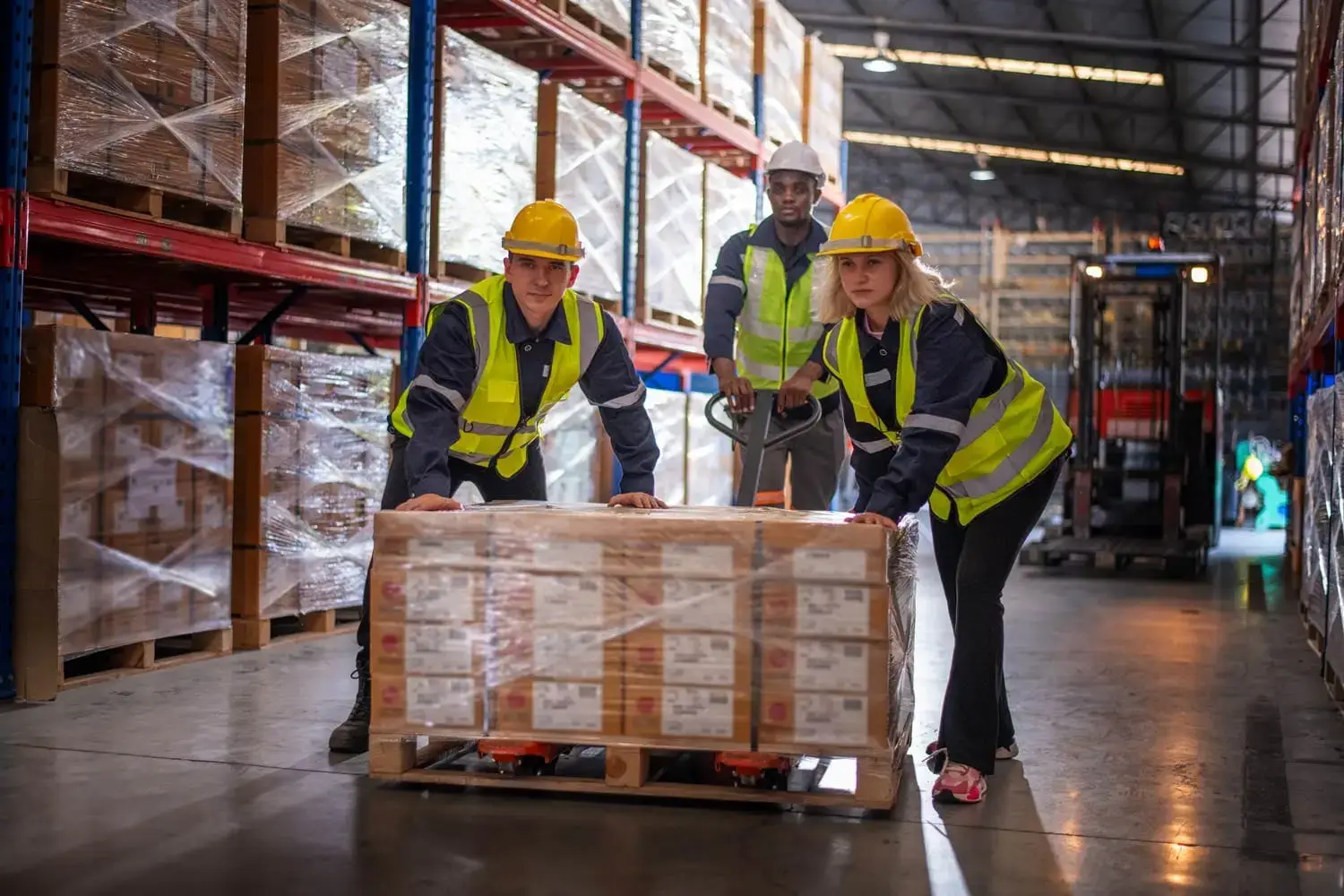
Extreme heat is no longer just a concern for farmers. Across Europe, recent heatwaves have pushed temperatures well beyond seasonal averages, placing unprecedented strain on refrigerated warehouses, transport networks and food distribution systems. Cold storage facilities have been forced to work harder than ever, energy demand has surged, and logistics operators are facing increasing pressure to maintain the integrity of temperature-sensitive products.
For businesses involved in international food supply, these events are more than just overseas headlines. Much of Australia’s imported food, ingredients and packaging materials pass through global logistics networks before reaching our shores. When prolonged heat affects ports, warehouses and refrigerated transport in one region, the impacts can ripple through international supply chains, contributing to delays, increased operating costs and heightened risks to product quality.
Maintaining an uninterrupted cold chain has always been critical, but extreme weather is making that task increasingly complex. Refrigeration systems consume more energy during prolonged heat events, equipment experiences greater operational stress, and even brief temperature fluctuations can reduce product shelf life or compromise food safety. As climate events become more frequent, resilience throughout the logistics chain is becoming just as important as capacity.
Australia is not immune. Long-range seasonal forecasts are already indicating the potential for another hotter-than-average summer across much of the country. While every season brings its own challenges, the expectation of prolonged high temperatures reinforces the importance of preparing cold storage infrastructure, transport networks and contingency planning well before peak summer demand arrives.
Modern cold chain operators are investing heavily in technology to meet these challenges. Real-time temperature monitoring, predictive equipment maintenance, automated alert systems and energy-efficient refrigeration are helping businesses identify potential issues before they become costly disruptions. Backup power systems and infrastructure redundancy are also becoming essential components of resilient cold storage facilities.
For food manufacturers, importers and distributors, choosing the right logistics partner has become about far more than available warehouse space. It is about confidence that products will remain protected despite increasingly challenging environmental conditions—whether they are travelling across Europe, crossing international shipping routes or moving through Australia’s domestic distribution network.
Climate change is reshaping food logistics in ways that are often invisible to consumers. Yet behind every refrigerated container and temperature-controlled warehouse lies a critical responsibility: ensuring that food arrives safely, efficiently and at the quality expected by Australian businesses and consumers alike. As global temperatures continue to rise, a resilient cold chain will become one of the most important links in the future of food supply.